
An Examination for Discovery is a critical stage in the Canadian litigation process. During this pre-trial procedure, lawyers question opposing parties under oath to gather evidence, clarify facts, and assess the strength of a case before trial.
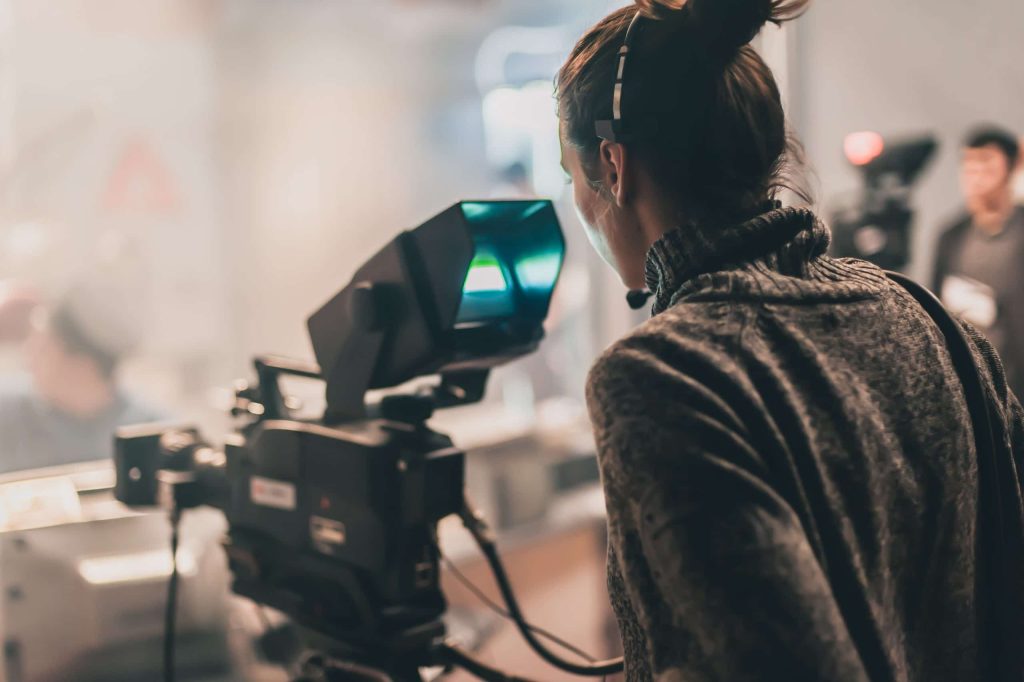
Unlike courtroom testimony, lawyers generally have greater latitude when asking questions during an examination for discovery. While written transcripts remain standard practice, video recording examinations for discovery is gaining attention due to the advantages it offers in litigation and trial preparation.
Below are several reasons why filming an examination for discovery can add significant value to a legal case.
Enhancing Case Presentation
In an era where people frequently consume information through video, recorded testimony can provide a clear and compelling way to present evidence.
Video allows lawyers to present testimony in a format that is easier for judges and legal teams to review. Rather than relying solely on written transcripts, recorded examinations can illustrate tone, pauses, and context that may otherwise be missed.
For litigation professionals, video evidence from an examination for discovery can strengthen case preparation and support more persuasive submissions during later stages of the proceedings.
Providing the Court With Firsthand Context
When testimony is captured on video, the judge can observe exactly how the evidence was delivered during the discovery process.
A recording can highlight the witness’s responses in real time and provide additional context beyond the written transcript. This can reduce the likelihood that key moments or statements are overlooked when the matter proceeds to trial.
Video recordings may therefore serve as a useful reference for both the court and legal counsel reviewing the discovery evidence.
Preserving Witness Testimony
Witness credibility can play an important role in civil litigation. Video recordings capture facial expressions, tone of voice, and body language that written transcripts cannot fully convey.
By preserving these visual and verbal cues, filming an examination for discovery creates a more complete record of the testimony provided under oath. If a witness later changes their evidence at trial, the recorded discovery may help highlight inconsistencies.
Strengthening Trial Preparation
Lawyers preparing for trial often analyze discovery testimony in detail. Video footage allows legal teams to review witness behaviour, reactions, and non-verbal communication.
This information can assist counsel in preparing cross-examinations and evaluating the reliability of testimony. In some situations, visual cues captured during discovery may reinforce arguments made during litigation.
Cost Considerations for Video Recording
Despite the advantages, professional videography for examinations for discovery can increase litigation costs. For some law firms or legal teams, hiring a professional videographer may not always be feasible.
As a result, some organizations consider recording examinations internally as a cost-effective alternative while still preserving the benefits of video documentation.
Court Reporting and Discovery Services
Professional court reporters remain an essential part of the discovery process. Accurate transcripts and reliable reporting services help maintain a complete and official record of the proceedings.
To book a court reporter for an examination for discovery, mediation, or legal proceeding, or to inquire about court reporting opportunities with On The Record, contact one of our offices in Whitby or Barrie. Our team would be pleased to assist with your court reporting and litigation support needs.